[When Dustin isn’t along on my adventures, the photo selection winds up being weirdly sparse. And sometimes just weird. One of many reasons I’m not a professional blogger.]
“What are you going to do tomorrow?” Dustin asked as we got ready for bed at the Sheraton Pentagon City hotel. He would be in meetings all day, and I was free to do anything I wanted. In the big, beautiful city of Washington, DC, the possibilities for cultural and social enrichment were nearly boundless.
What I wanted to do, though, was take many naps and catch up on my blog posts, but I supposed we were far enough past the Vertigo Incident that taking naps could no longer be considered highest and best use of my time.
“I think I’ll walk over to the National Cemetery,” I said. That, unlike anything on the Mall, would at least not require any travel logistics. The cemetery was literally across the street from the hotel.
[Here there should be, but is not, a photo of the National Cemetery taken from the hotel window.]
Well. The back side of the cemetery was across the street from the hotel. Arlington National Cemetery stretches across 639 acres, which is more area than many entire towns in South Dakota occupy. If I’d done my research ahead of time, I’d have realized a 3.3-mile walk was required to get from the hotel to the front entrance.
But I did not do any research. As I set out at 9:00 in the morning, I vaguely wondered if I should have brought a water bottle. The temperature was 80 degrees and rising. But nah. I’d drunk a lot of tea, and I only meant to wander around for an hour or so.
Twenty minutes later, I found an entrance. It was oddly low-key. A car or two pulled in, but there was hardly any parking, no big signs, and no people milling around. I followed the pedestrian signs into a small booth where a soldier with a large gun put me through a metal detector.
[Here there should be, but is not, a photo of the strange, obviously-not-for-tourists entrance that I used.]
I came out the other side and discovered a huge cemetery stretching before me, and not a single map nor interpretive sign to be seen. I waffled a moment then went back to the security booth.
“Do you have any info about the cemetery…?” I asked. The booth was utilitarian in the extreme, so the question felt pointless, but there couldn’t possibly be NO information, right?
“Ah, sorry,” the soldier said. “We ran out of maps. Uh… there’s an ap you can download, though? Are you here, like… to visit?”
“Just a tourist,” I confirmed. I suppose the alternative reason to be here would have been to visit the grave of a loved one, but my jaunty hat and deer-in-the-headlights stare made that possibility unlikely.
The soldier gave me directions on downloading the ap, and also described directions to get to the Tomb of the Unknown Soldier, which must have seemed like a good direction to point a clueless tourist. I thanked him, and headed back out to the cemetery.
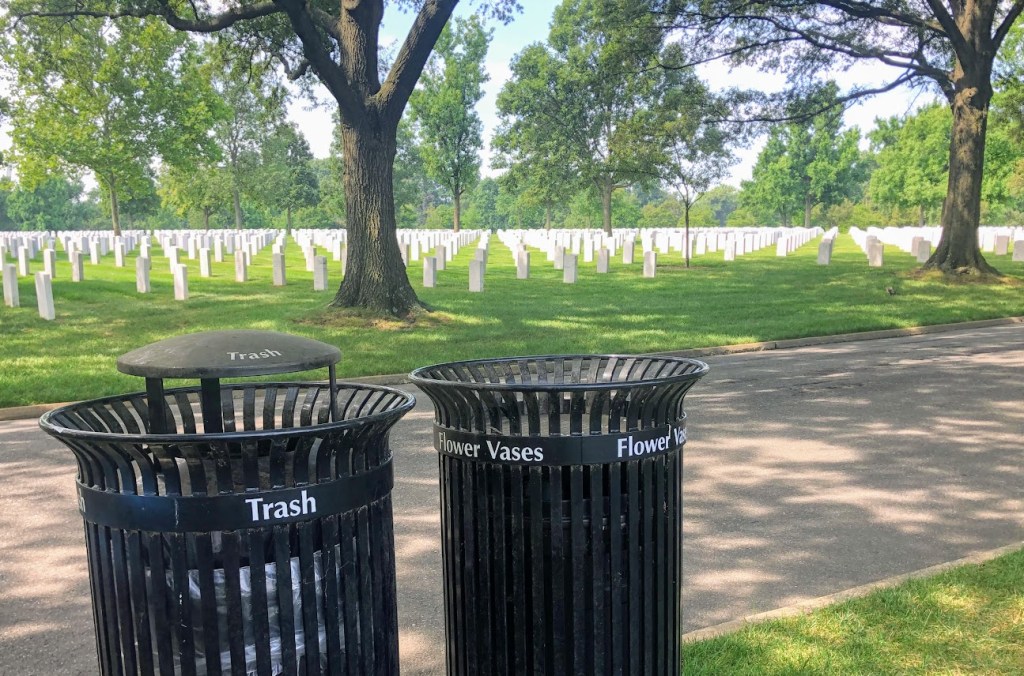
I picked a direction and started wandering. The cemetery is, of course, an impressive and somber place. Many headstones spoke of lives cut tragically short, but many more lived to ripe old ages and were buried with wives and even children around them. I had expected the headstones to be the uniform, rectangular, white marble I’ve seen in smaller national cemeteries – and there were plenty of those stones – but here the headstones also came in many other shapes and sizes. Somehow, the variety served to lighten the heavy atmosphere.
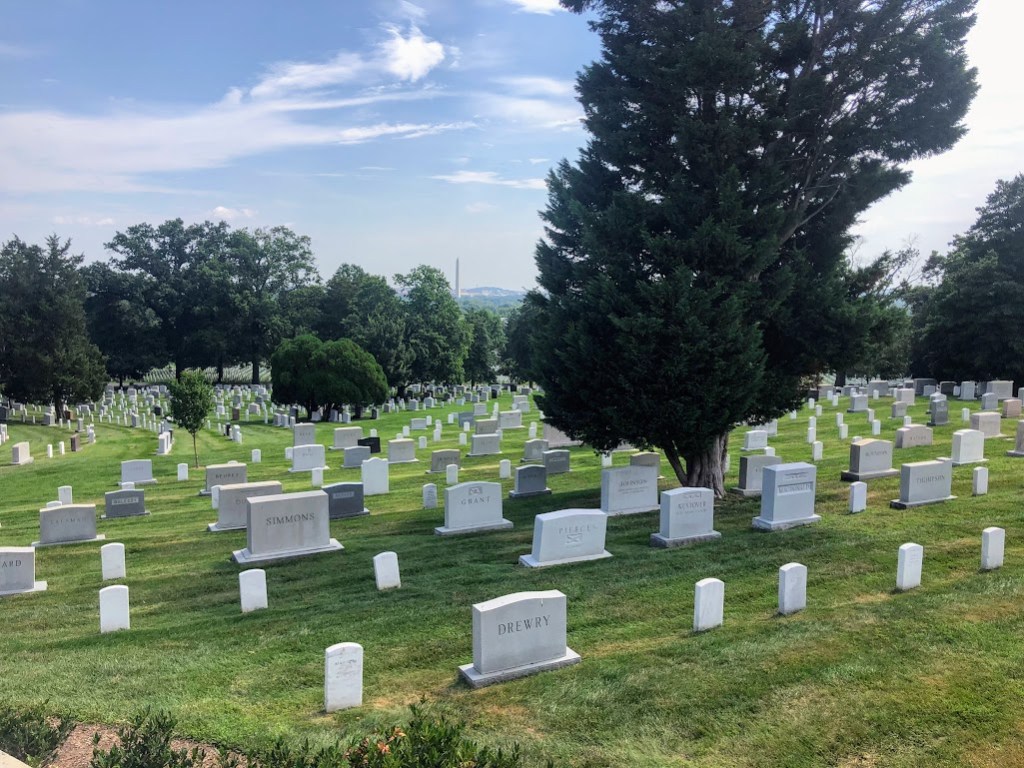
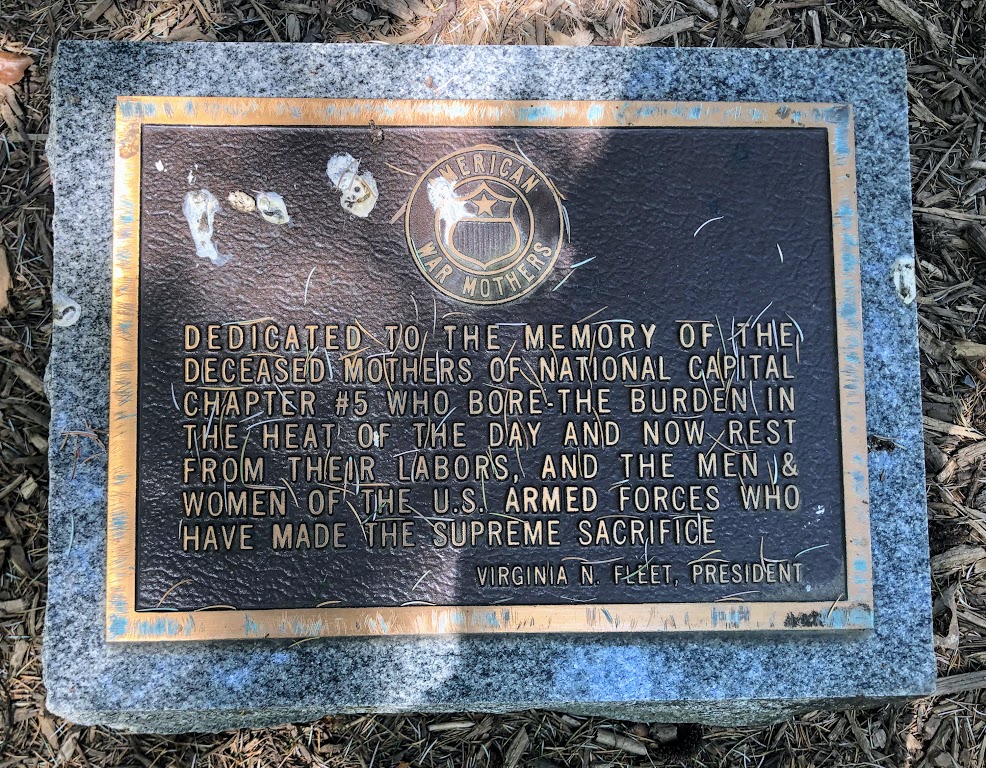
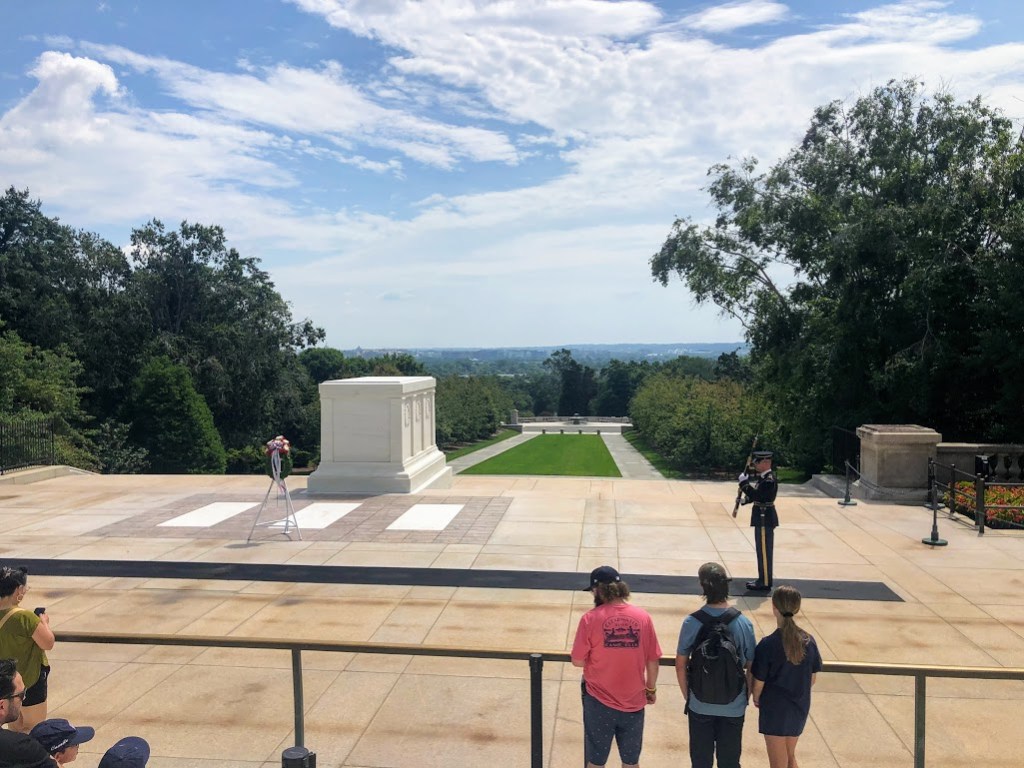
I did eventually find my way Tomb of the Unknown Soldier, just in time to watch the of the changing guard. Here, too, were all the tourists who had been missing from the other parts of the cemetery. We all did our best to stand silently and respectfully while the ceremony unfolded, but the temperature had climbed well into the nineties, and the ceremony is not what you might call exciting. I felt uncomfortable, and pitied the families with small children. I also felt sorry for the tomb guards. I understand the job of tomb guard is a one of considerable honor, but as I watched those stiff men in wool uniforms marching in the relentless, humid heat, it felt much more like a punishment.
I spent a little time in the museum near the Tomb afterward, learning about how and why the first unknown was buried after World War I, the Unknowns from other conflicts who have joined him, and how modern technology means it is almost impossible for anyone to remain unknown anymore.
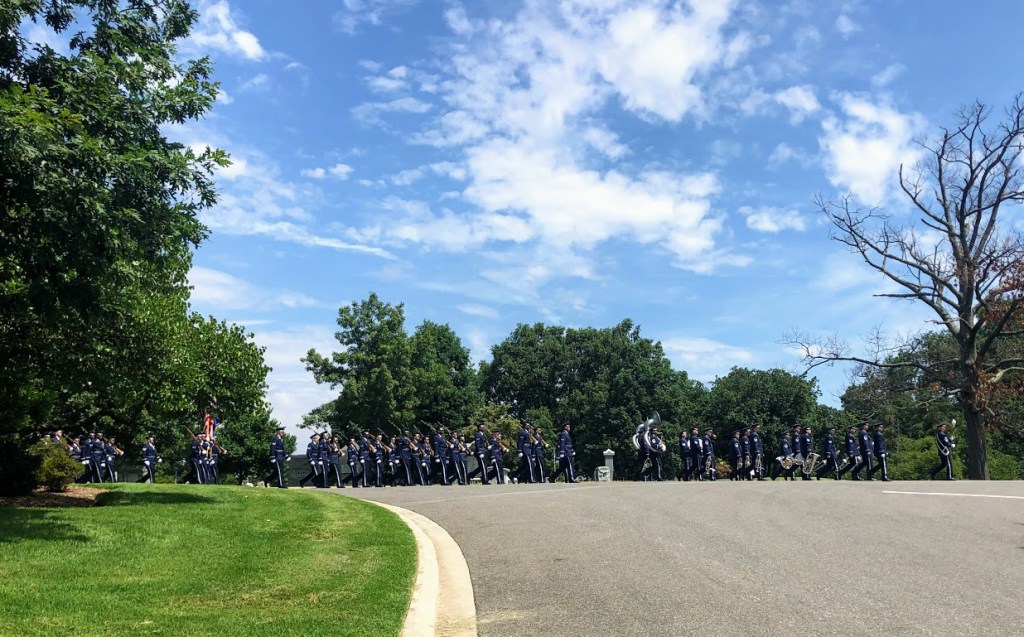
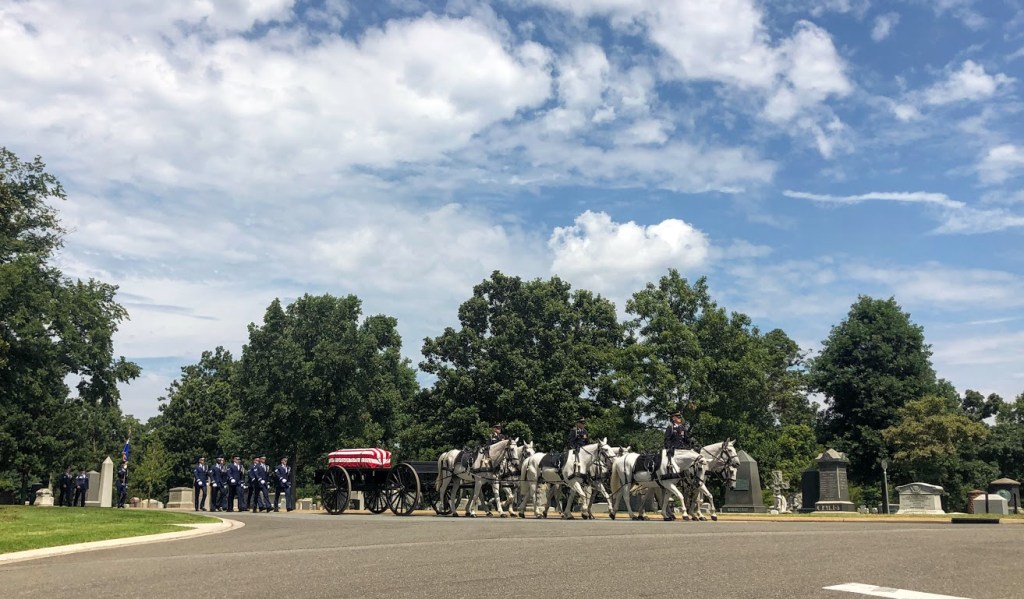
My next stop was the Robert E. Lee Memorial at Arlington House, and despite the increasing heat, this wound up being my favorite stop. I was not an attentive student of American history, or I may not have been surprised to learn about Lee’s connection to George Washington (he married Washington’s step-great-granddaughter) or the history of the Arlington plantation that was eventually commandeered by the Union Army, who buried people there both out of a desperate need for space and also to basically desecrate Lee’s home.
[Here there should be but is not a photo of Arlington House on its lovely hilltop.]
The house itself was closed because the AC wasn’t working, so I toured the gardens and slave quarters, which featured the less-told stories of the women and slaves. I have not been to many historic sites dedicated to figures of national controversy, but I came away from it feeling they’d done an admirable job presenting the history as it was, prompting the visitors to consider far more than our history books contained, thirty years ago.
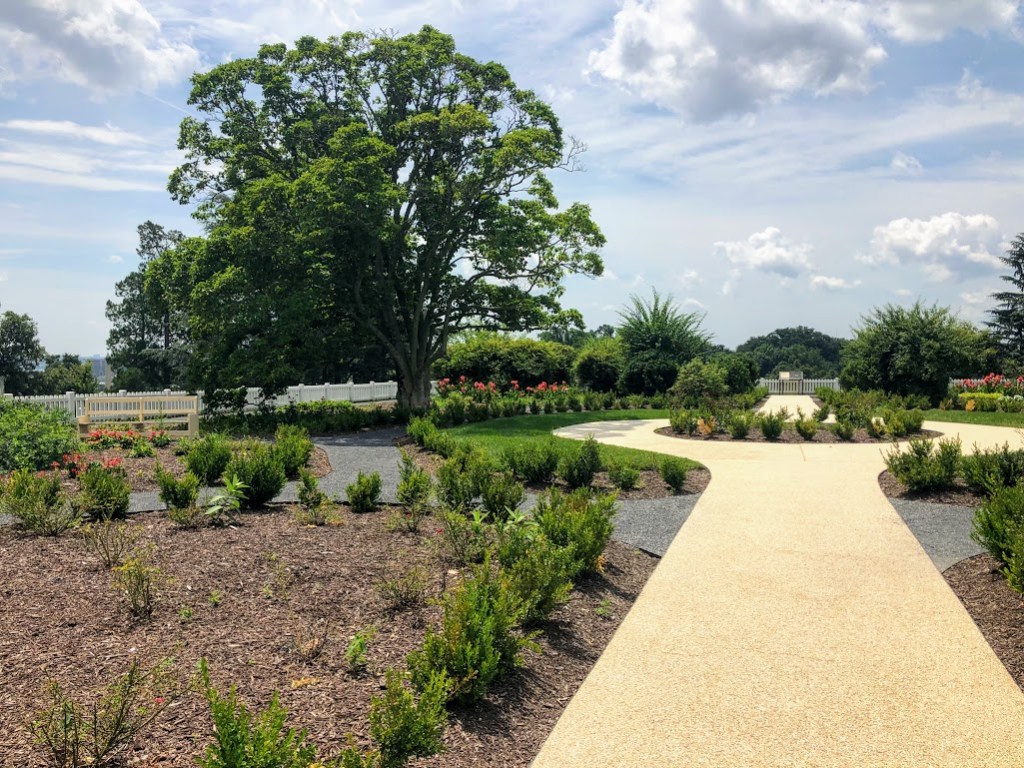
By now, I’d walked almost 3.5 miles, and despite the fact that I’d found enough drinking fountains to keep me hydrated (the first of which, in the less-frequented part of the cemetery, tasted so bad I spit it out like a cartoon character [and THIS from someone who recently, happily drank water filtered out of a stagnant puddle]), I was near to melting. I considered my options for retreat.
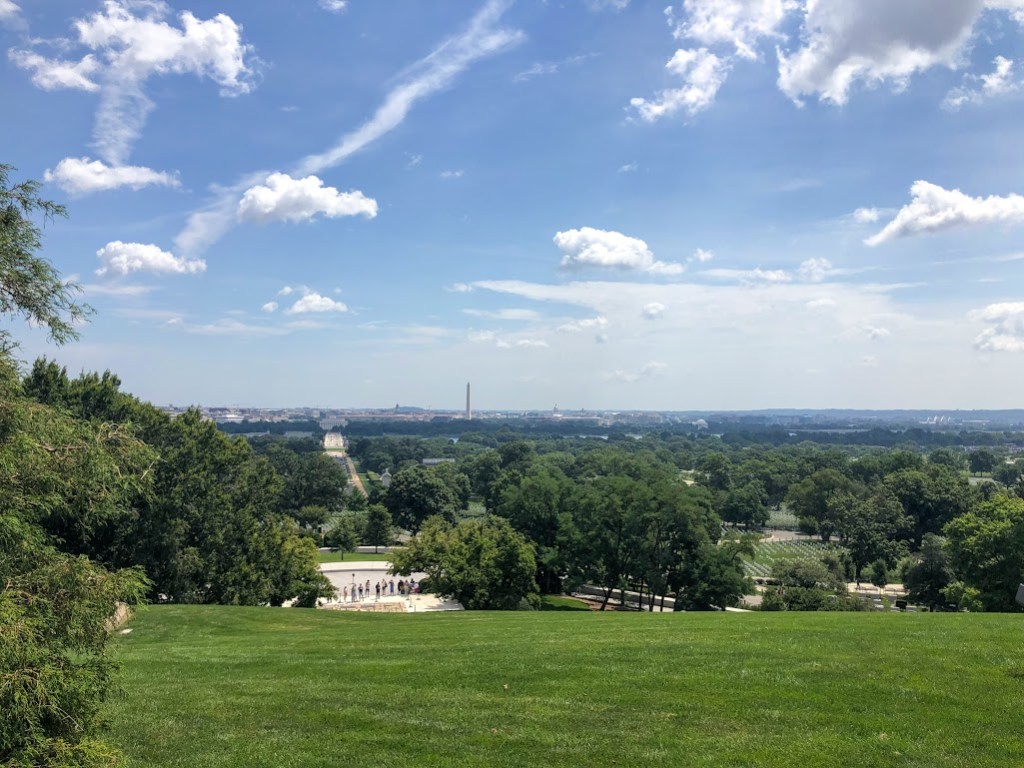
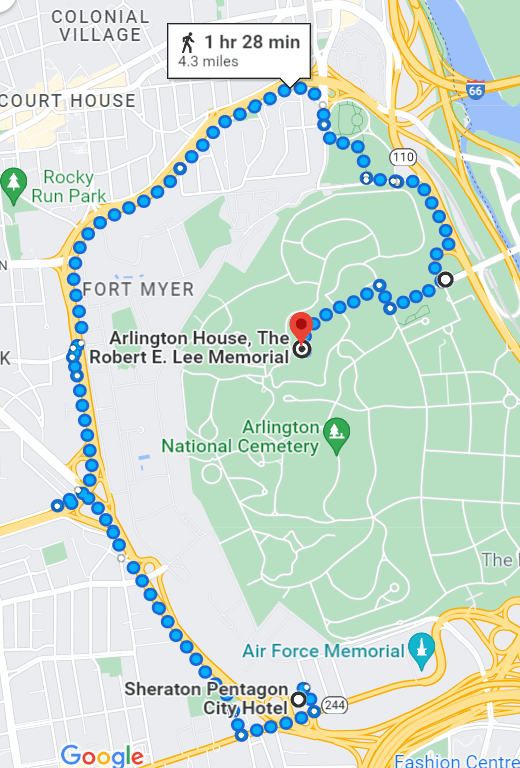
Google Maps suggested I had a 4.3-mile walk to get back to the hotel, apparently under the impression that the only way out was through the main entrance. I’d have liked to see the main entrance – I bet it was full of interpretation and maps – but contemplating 4.3 miles filled me with visions of collapsing and requiring $10,000 rescue helicopters.
After confirming with a park ranger that the only other way out of the cemetery required military ID and probably some signed authorizations, I forced the map to reconsider letting me out the same way I’d come in. I hated to just retrace my steps when there were so many other parts of the cemetery I hadn’t yet seen, but a two-mile walk sounded infinitely more manageable than 4.3.
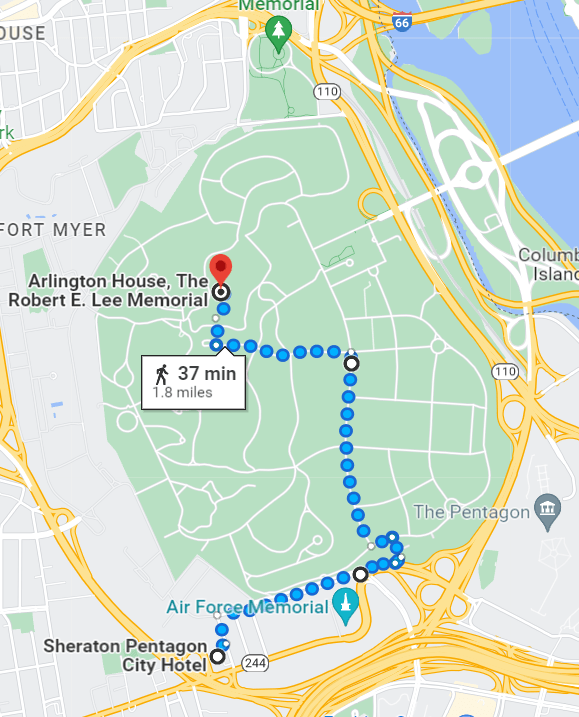
And perhaps it was “only” two miles, but by the end of it I was carefully making sure to always stay within view of passing cars so that if I keeled over from heat stroke, someone would see me go down and hopefully call for help. I think I made it to the hotel purely out of desperation to not have to explain how I could let that happen, when I’ve been so hard on other people for getting themselves into such a situation.

I congratulated myself on successfully going out on an adventure rather than wasting my day in a wonderful city laying around doing nothing, and then spent the rest of the day laying around heaving occasional, cooling signs like a Victorian with the vapors.
[The original, hand-written journal pages that documented this adventure can be found at a link HERE, but I wouldn’t bother because I wrote them while suffering from the vapors and also there are no pictures.]
 Thither & Yon
I too contemplated the walk to the cemetery…never did do it, but I kinda feel like I have after reading this – so thanks for that. I am fairly certain the outcome would have been the same for me; obscure entrances and happy wanderings. Admittedly not so happy in the weather that was DC that week!
LikeLiked by 1 person
I’ve never appreciated my dry, western home climate quite as much! Temps were in the high 90s when we got home, and it felt like a fine spring day, comparatively!
LikeLike